
Emergency relief and long-term development
AWA-AFRICA designs and delivers both, responsive to what conflict-affected communities in South Sudan actually need. Every intervention is grounded in a rights-based, gender-sensitive and community-driven approach.
Select a pillar to see the interventions
01GBV Case Management, Risk Mitigation and SRHR
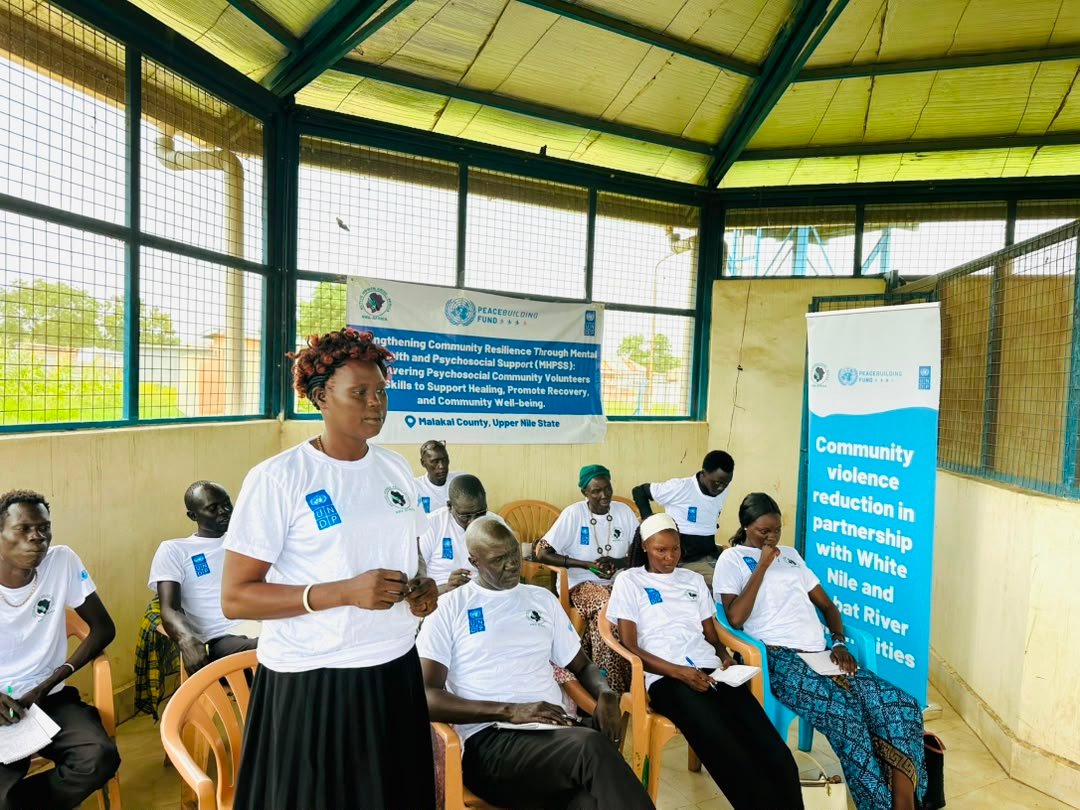
Two connected lines of work: case management, which walks an individual survivor through assessment, safety planning, referral and follow-up; and risk mitigation, which changes the conditions that expose women and girls to violence in the first place. Both sit alongside comprehensive sexual and reproductive health rights.
- Survivor-centred GBV case management — intake, safety planning, referral pathways and structured follow-up
- GBV risk mitigation — safety audits, lighting, safe access to water, firewood and latrines, and mitigation built into other sectors’ programming
- Psychosocial support and trauma counselling for survivors
- Legal referrals coordinated with protection actors and local authorities
- Community campaigns to shift harmful norms and behaviours
- Women- and girl-friendly safe spaces in IDP camps and displacement settings
- Engagement of male allies and youth in prevention and positive masculinity
- Antenatal and postnatal care support; family planning and menstrual hygiene education
- Mobile medical clinics serving communities with no access to health facilities
02Women’s Empowerment and Economic Resilience
Building the capacity of women and girls to become economically self-reliant, with particular attention to single mothers, widows, survivors of GBV and adolescent girls.
- Establishment and mentorship of Village Savings and Loan Associations (VSLAs)
- Vocational and technical skills training — tailoring, baking, agribusiness
- Support for women-led small enterprises and startups
- Microgrants and business development services to enable market participation
03Peacebuilding and Social Cohesion
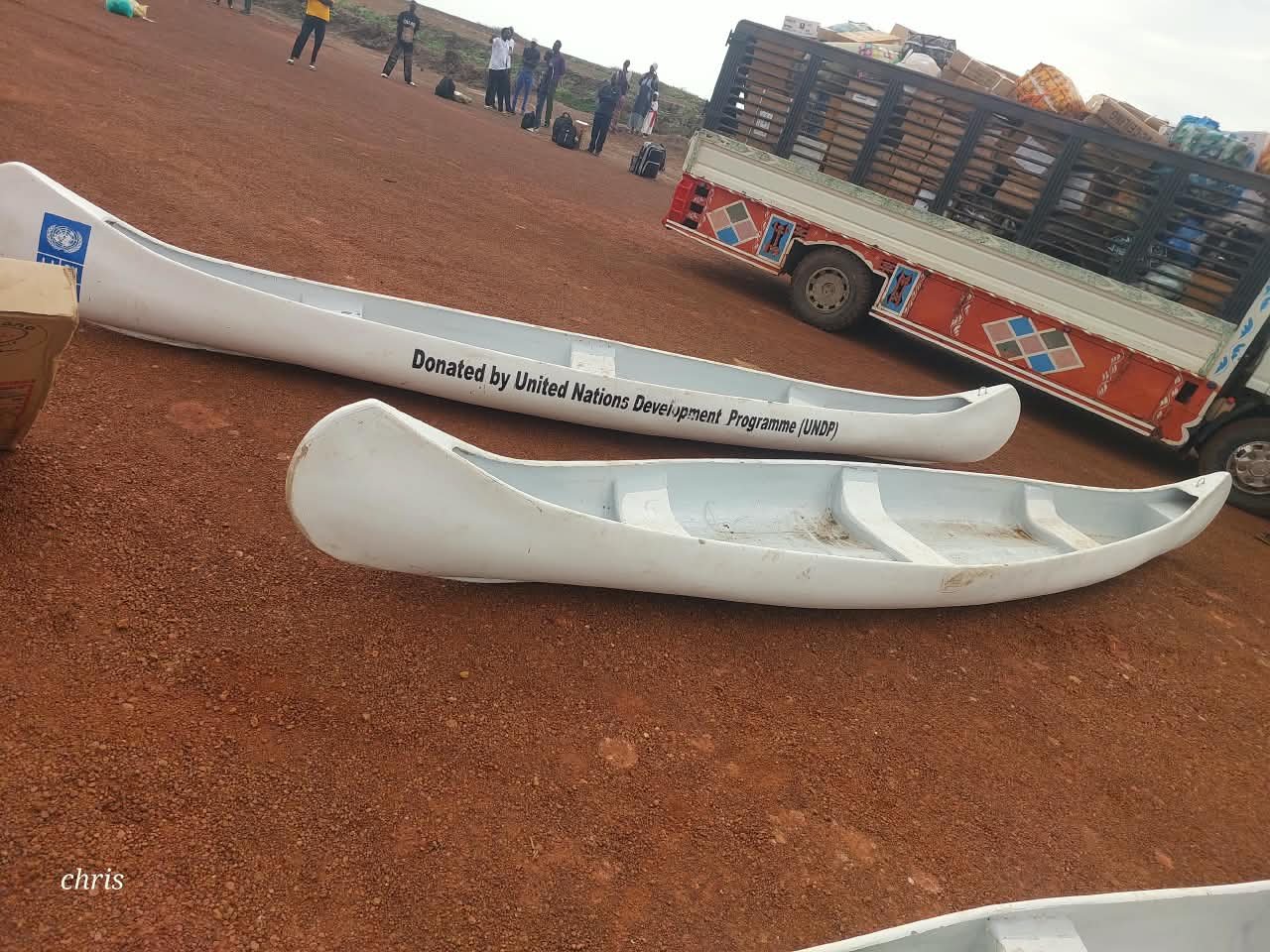
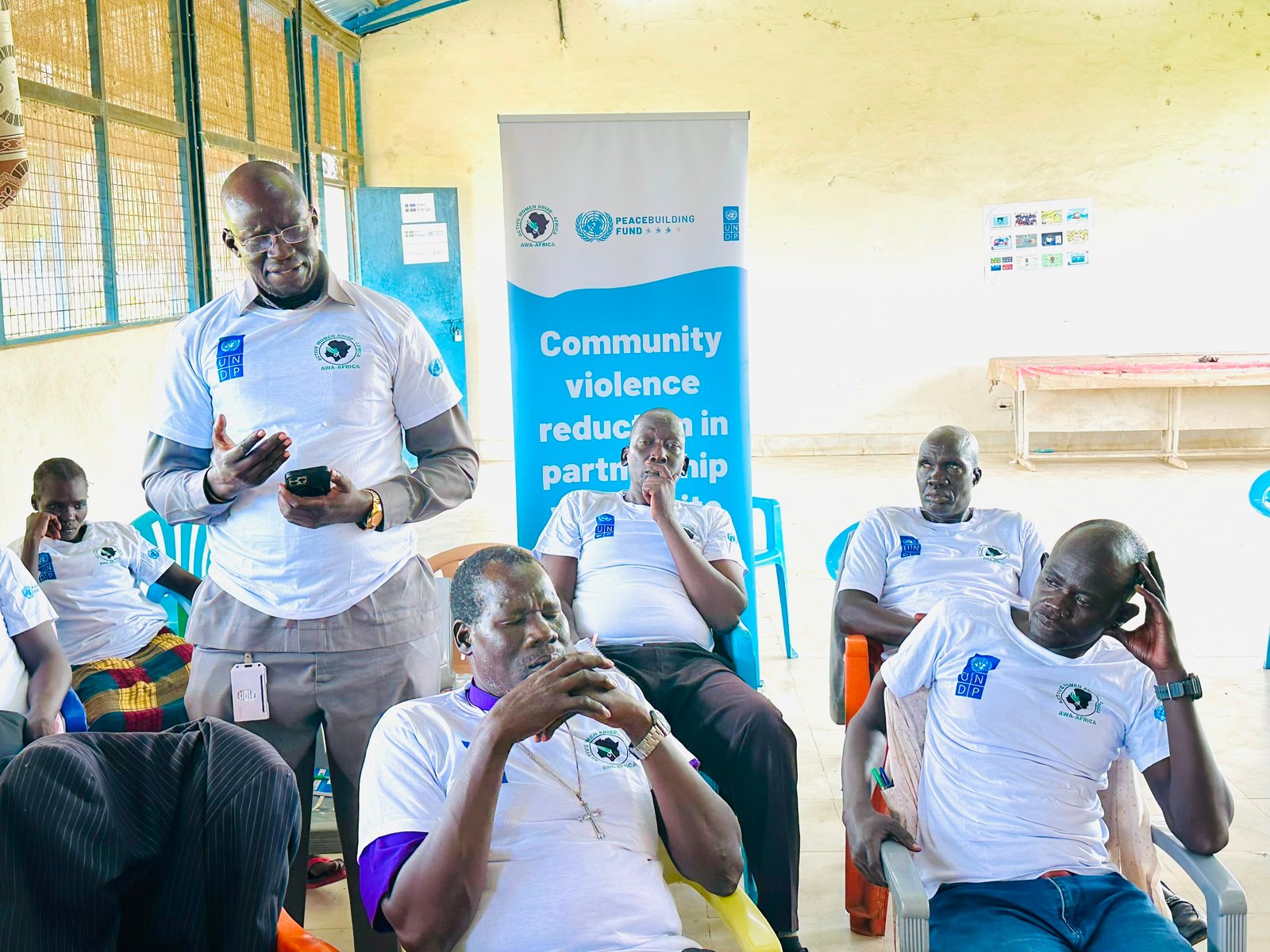
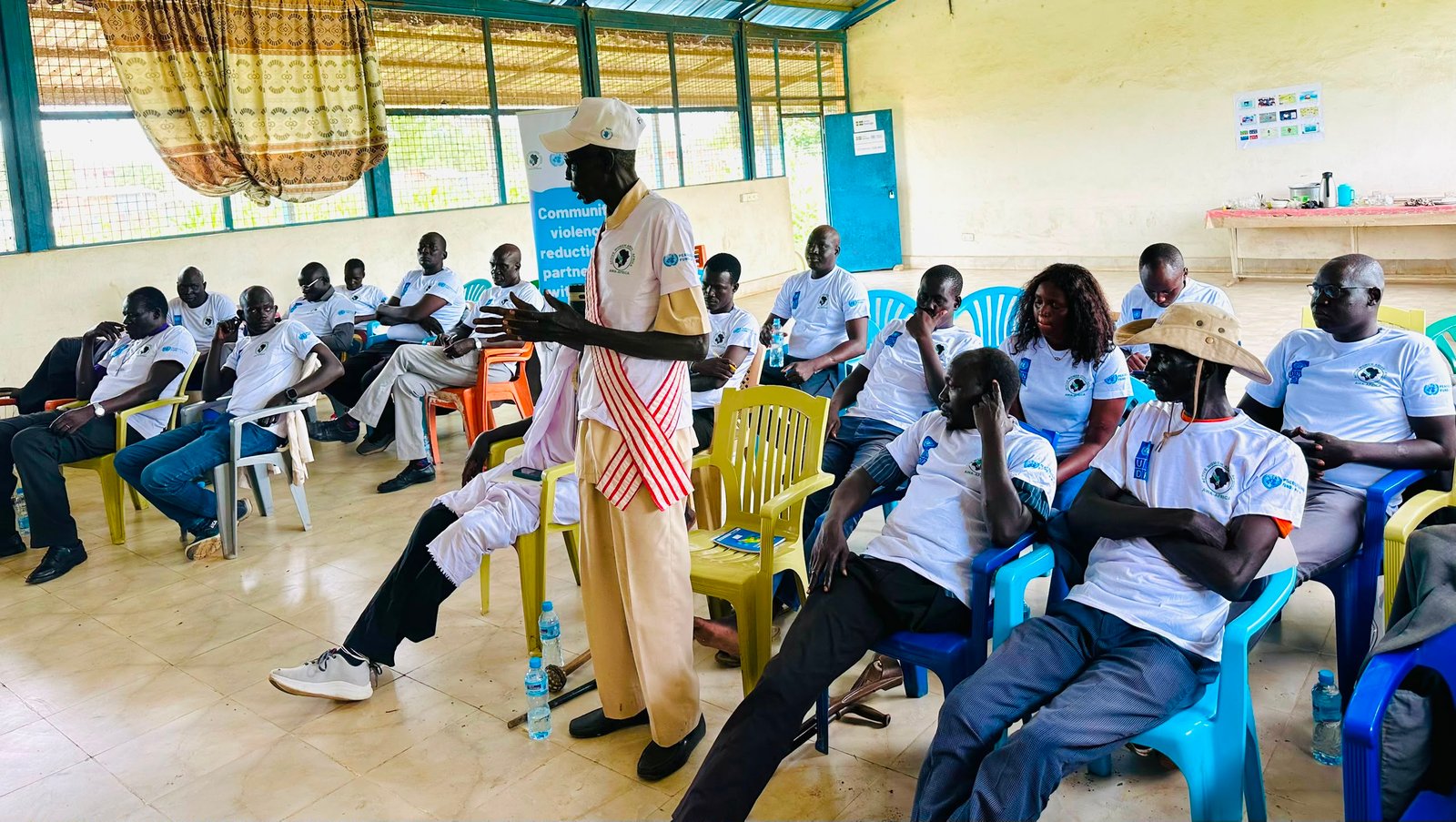
Strengthening the role of women and youth as agents of peace, from the household to national platforms, and restoring relationships broken by conflict.
- Grassroots peace dialogues involving youth, women, elders and traditional leaders
- Trauma healing and reconciliation workshops
- Youth civic education and leadership training
- Inter-communal cooperation through cultural exchange and joint community projects
04Education in Emergencies and Development
Access to inclusive, quality and safe education for children and youth — especially girls — in emergency and post-conflict settings, and improved long-term outcomes beyond them.
- Accelerated Learning Programmes for out-of-school children and adolescents
- Rehabilitation and construction of school infrastructure in crisis-affected areas
- Teacher training and continuous professional support
- Distribution of textbooks, uniforms, stationery and menstrual hygiene kits
- Advocacy against early and forced marriage; back-to-school campaigns
05Climate Action and Disaster Risk Reduction
Gender-responsive climate action, recognising the disproportionate impact of climate change and disaster on women and girls.
- Training farmers in climate-resilient and sustainable agriculture
- Community tree-planting and reforestation campaigns
- Early warning systems and disaster preparedness for floods and drought
- Clean energy alternatives — solar lighting and fuel-efficient stoves
What the programmes are designed to achieve
- Prevent and respond to gender-based violence and strengthen protection systems
- Promote women’s economic empowerment and livelihood resilience
- Advance access to quality education for children, especially girls
- Construct and rehabilitate health and educational facilities
- Eliminate harmful practices that undermine the rights and safety of women and girls
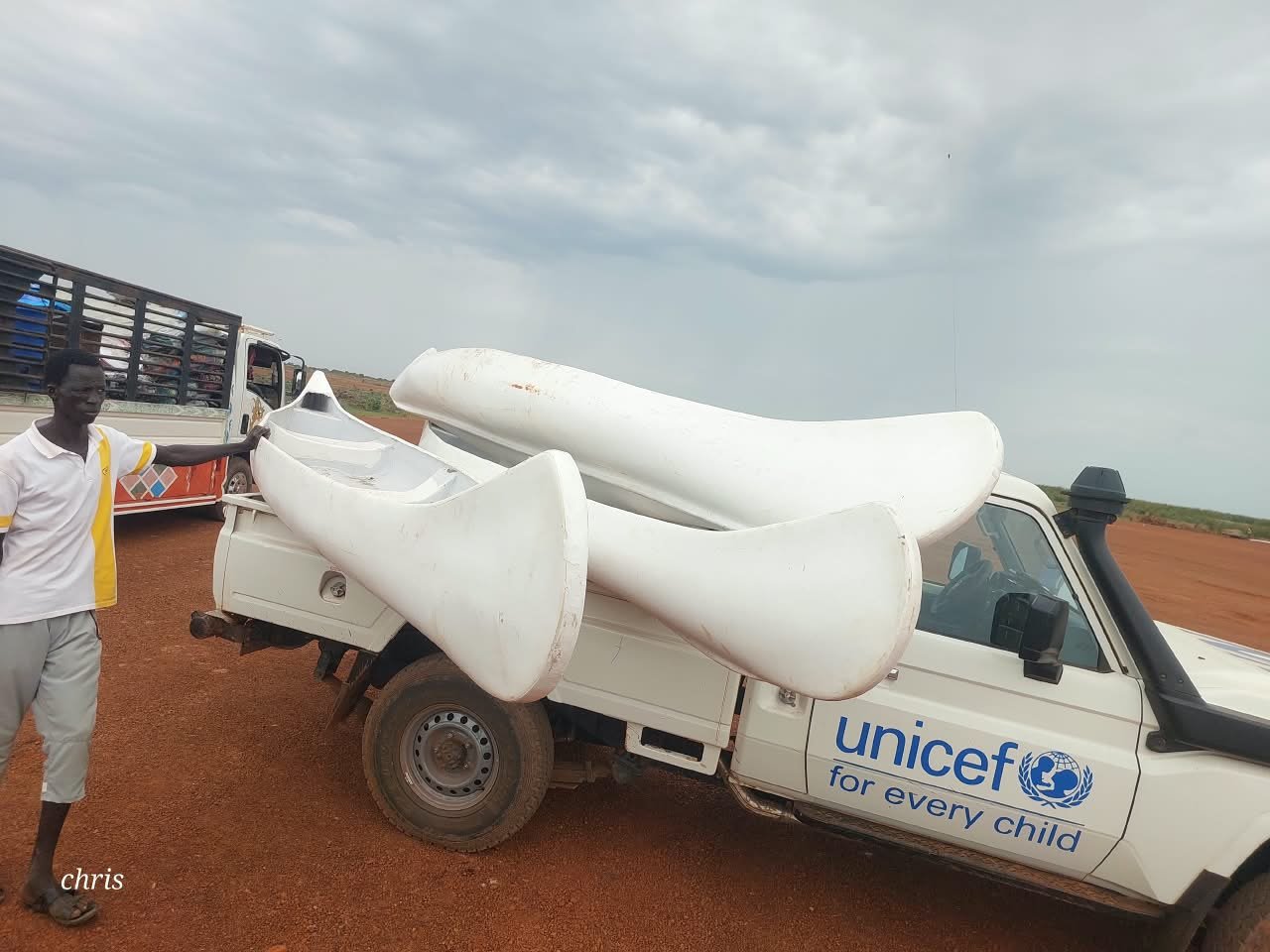
- Provide emergency assistance including shelter, non-food items and livelihoods
- Foster a culture of peace, healing and reconciliation
- Protect children and advocate for their rights at all levels of society